Hiroshima — What Was Truly Decisive?
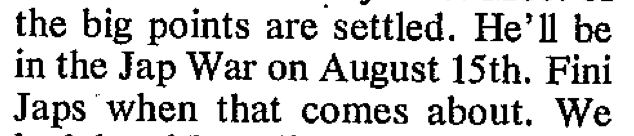
In the summer of 1945, President Truman believed that the Soviet Union’s entry into the war would bring about Japan’s surrender. His Potsdam Diary (July 17–18) shows that he was aware of Stalin’s intentions and quietly awaited the end of the war. He did not view the atomic bomb as the single decisive factor.
The idea that “the atomic bomb ended the war and saved countless American lives” spread widely after 1945. Yet the archives of the Truman Library and the USSBS report *Japan’s Struggle to End the War* reveal that surrender resulted from interwoven causes: Soviet entry, internal political shifts, and the Emperor’s mediation. The human tragedy of Hiroshima cannot be reduced to a single logic of necessity.
• The phrase emerged in postwar political justifications such as Stimson (1947, *Harper’s Magazine*).
• There is no primary source verifying the cited numbers.
• Truman’s own writings show he anticipated Japan’s collapse following Soviet entry, not solely from the bomb.
Main References
• Truman’s Diary (Potsdam, July 17–18, 1945): trumanlibrary.gov
• USSBS “Japan’s Struggle to End the War” (1946): ibiblio.org
• Stimson, “The Decision to Use the Atomic Bomb,” *Harper’s* (1947): asianstudies.org
Tokyo Bombing — Fire and Law
On March 10, 1945, the incendiary raids on Tokyo deliberately targeted densely populated civilian areas. Reports such as the XXI Bomber Command Tactical Mission Report and the USSBS Pacific Summary show that the purpose extended far beyond military facilities — it sought to annihilate the urban fabric itself.
• The Hague Regulations of 1907, Article 25, prohibit attacks on undefended towns, dwellings, or buildings. Article 27 requires the protection of religious, charitable, and cultural institutions (ICRC database / PDF).
• From the modern standpoint of humanitarian law — distinction and proportionality — such raids represent serious violations of human conscience. Even if legal frameworks were incomplete, moral clarity was not absent.
The Tokyo bombings, in intent and consequence, exceeded the protection due to civilians. Ethically, they can be regarded as acts of slaughter. Yet we acknowledge that no formal tribunal addressed them, and that international law itself was still forming.
Main References
• USSBS Pacific Summary (1946): ibiblio.org
• Hague Regulations (1907), Articles 25 & 27: ICRC database / PDF